
The shortlist of 10 Zapier alternatives
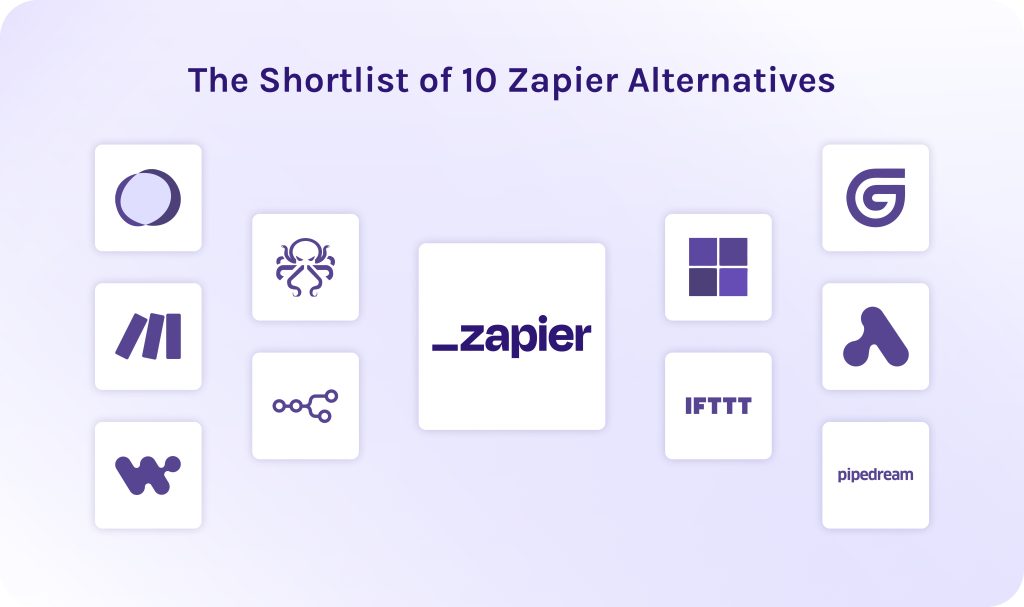
- EpicStaff – Well-known AI-native RPA (Robotic Process Automation) platform and one of the best Zapier alternatives for non-technical users. It enables teams to deploy “digital employees” to handle complex, multi-agent workflows through a hybrid no-code and Python-scripting environment.
- IFTTT – One of the simplest alternatives to Zapier that specializes in connecting smart home devices, IoT hardware, and personal social media accounts.
- n8n – powerful fair-code workflow tool that offers node-based visual logic and is the top choice for technical teams who want to self-host their automation to ensure total data privacy.
- Gumloop – This solution from our list of top Zapier alternatives allows users to build agents that can reason through web content and document sets.
- Make – One of the top Zapier alternatives well-known for its highly visual automation builder with a drag-and-drop canvas that excels at managing complex scenarios with advanced branching at a lower cost than Zapier.
- Outfunnel – specialized integration tool designed specifically for revenue teams to help them with real-time bi-directional data sync across SaaS and seamlessly integrate with your CRM marketing tool.
- Workato – An enterprise-grade orchestration platform built for high-scale business operations with the ability to connect legacy on-premise systems with modern cloud apps.
- Activepieces – One of the best open-source Zapier alternatives that provides a clean no-code interface and a community-driven ecosystem.
- Microsoft Power Automate – The definitive choice for Microsoft-centric organizations which combine cloud-based API workflows with desktop RPA to automate both modern apps and legacy Windows software.
- OttoKit – The ideal solution for companies that need a Zapier alternative for their websites designed on WordPress.
Read More: What Are the Top 10 n8n Alternatives to Watch This Year
Zapier alternatives table of comparison
| Tool | Best for | Bills by | Free tier | Self-host | Key limitation |
| Make | Visual multi-step workflows | Operation | 1,000 credits/mo | No | Canvas overwhelms beginners |
| n8n | Technical teams wanting control | Workflow execution | Self-host free | Yes (fair-code) | You operate the server |
| Microsoft Power Automate | Microsoft 365 organisations | Per user / per bot | Limited | No | Economics break outside Microsoft |
| Activepieces | Open-source with a simple UI | Active flow | 10 free active flows | Yes (MIT) | Smaller integration ecosystem |
| Workato | Enterprise governance | Usage-based, custom | No | Hybrid/on-prem agent | Enterprise sales motion only |
| Gumloop | AI-heavy data workflows | Credit | 5,000 credits/mo | No | Credit burn hard to forecast |
| EpicStaff (HYS Enterprise) | Self-hosted multi-agent workflows | (see entry) | Self-host free | Yes | Small community; you run it |
| IFTTT | Personal and IoT automations | Applet count | Yes, few applets | No | Not a business platform |
| Outfunnel | CRM ↔ marketing sync only | Per month, tiered | No | No | No branching; narrow app list |
| OttoKit | WordPress sites | Per site / annual | Yes, task-capped | n/a (WP plugin) | Small non-WordPress catalogue |
Read More: Complete Guide to Low-Code Development Platforms in 2026
What key features to prioritize when searching for Zapier alternatives?
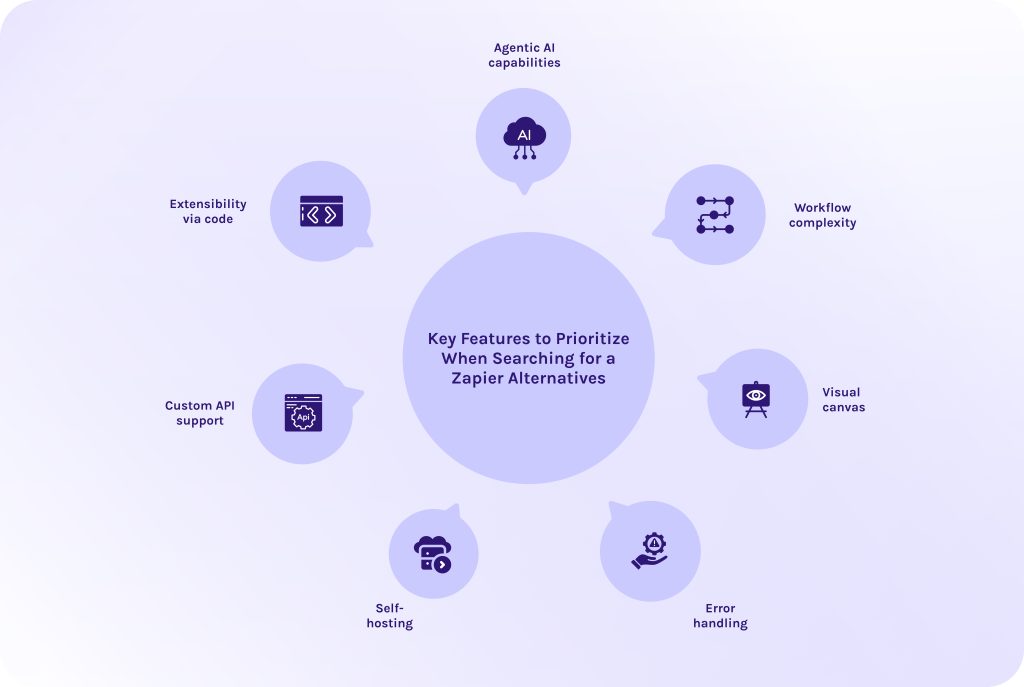
What features should you look for while choosing alternatives to Zapier? Below we’ve listed the most necessary points so that you can use it as a guide when evaluating your future automation tool.
- Agentic AI capabilities. Look for alternatives to Zapier that allow AI to reason and make decisions on their own rather than just following linear steps.
- Workflow complexity. Prioritize tools that natively handle advanced logic.
- Visual canvas. A drag-and-drop interface is an essential feature especially in Zapier alternatives for non-technical users for mapping out complex data flows and identifying logic bottlenecks.
- Error handling. The best Zapier alternatives in 2026 offer automatic retry logic to ensure a single API glitch doesn’t break the entire process [1].
- Self-hosting. For industries with strict data privacy needs, the ability to host the software on your own private servers (via Docker) ensures total data sovereignty [2].
- Custom API support. Ensure the automation platform has a universal HTTP request module that can connect to any software with an API, regardless of whether a native integration exists.
- Extensibility via code. A code node that supports JavaScript or Python is vital in alternatives to Zapier for overcoming the no-code wall when you need complex algorithms or data transformations.
If you want to read more about the newest technologies, subscribe to the HYS Enterprise blog by pressing the button “Subscribe.”
Read More: AI Agent Orchestration in 2026: A Guide to Building Scalable Multi-Agent Systems
Our methodology: How we ranked this year’s top Zapier alternatives
Our team of dedicated specialists has developed a ranking methodology for evaluating Zapier alternatives, taking into account six core pillars to determine if the platforms are truly better than Zapier for specific users.
- Best for: We analyzed review for each solution on platforms like Capterra and SoftwareAdvice to understand the perfect fit of each automation tool according to their experience and real-world use cases.
- Industries: We estimated alternatives to Zapier according to their fit to the specific industries.
- Key features: We analyzed key features and ones that distinguish tools from each other.
- Pros: We evaluated its strength according to user reviews from different sources to understand what pain points of Zapier it covers.
- Cons: As well, we searched for weak sides of each automation platform to be as objective as possible.
- Pricing: Not everyone can afford Zapier alternatives with per-task or per-operation billing; thus, we searched for ones that provide multiple pricing options so you can choose the most appropriate one for you.
Read More: AI Agent Management Platform: A Guide to Enterprise AI Agent Orchestration and Governance
What are the top 10 best-rated Zapier alternatives?
1. EpicStaff
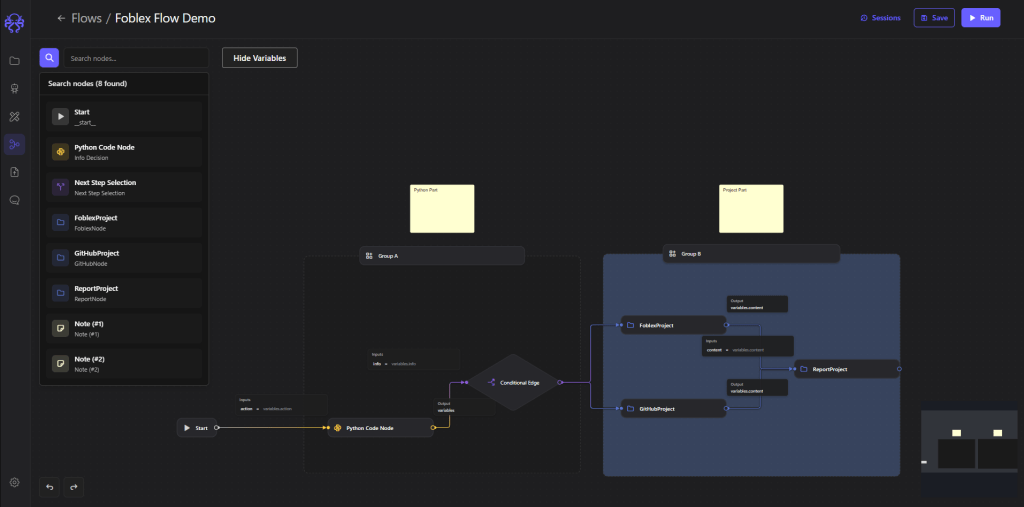
EpicStaff heads the list of the best Zapier alternatives in 2026. It is an open-source and source-available AI agent platform developed and maintained by HYS Enterprise. This solution stands out from competitors because of its combination of powerful workflow automation and product-first mindset. Thanks to it, it becomes suitable not only for internal processes but also for building customer-facing solutions [5].
If we are talking about strong sides of EpicStaff, it offers flexible customization through code-friendly modules, which, in turn, allows teams to create advanced logic, seamless API integrations, and scalable architecture, making it one of the most promising alternatives to Zapier.
Best for:
Companies of any size and any industry building their internal or external apps.
Industries:
In fact, this solution can be tailored for the needs of any specific industry, but it might be especially suitable for fast-growing startups and SaaS companies.
Key features:
- Custom AI agents. Create your own digital team that can do the work of 20 people with more accuracy and efficiency.
- Workflow automation. You can create your own workflows, using ready-to-use nodes, or create new ones according to your specific requirements [3].
- Visual no-code workflow builder. Visual drag-and-drop interface where you can connect modules and see the entire logic of the workflow at a glance [4].
- Custom code nodes. To extend your workflow capabilities, you can create custom code nodes in Python to add needed functions and diversify your automation logic.
Pros:
- Completely free to use.
- Intuitive interface.
- It’s extremely easy to get used to the tool.
- AI-native architecture.
- You can self-host the platform and customize it on your own as you want.
Cons:
- May require training.
- Newer market player compared to well-known giants.
Pricing:
EpicStaff is an open-source Zapier alternative, which means it is free to download. However, all additional customizations and maintenance falls on your shoulders. EpicStaff operates under PolyForm Perimeter 1.0.0 licence.
Whether you’re looking to deploy custom AI agents or migrate complex enterprise workflows, our specialists are ready to help you architect your future. Contact HYS Enterprise experts to learn the full potential of EpicStaff.
2. IFTTT
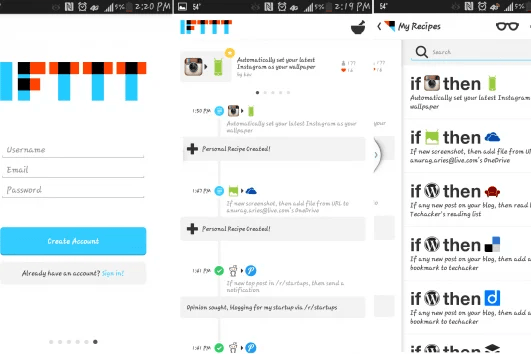
I was really curious about what IFTTT actually stands for. Just for general knowledge, if you were interested, IFTTT means “If This Then That.” It remains a versatile solution and one of customers’ favorite Zapier alternatives for many different use cases. The main difference with Zapier is that while Zapier has moved toward complex business logic and AI agents, IFTTT has doubled down on its role as the bridge between smart home devices, personal productivity, and social media.
Best for:
Individuals, smart home enthusiasts, solopreneurs, and even non-technical users who need simple “if-this-then-that” connections between hardware (IoT) and everyday consumer apps.
Industries:
- Smart home/IoT.
- Social media management.
- E-commerce for small makers (Etsy/Patreon).
Key features:
- Applets – simple, conditional workflows that connect 900+ brands and services.
- Massive integration ecosystem.
- No-code workflow builder.
- Focus on smart home and IoT.
Pros:
- You can easily tailor the tool to your specific needs.
- Users admit its intuitive user interface.
- Ability to automate tasks without any coding experience needed.
Cons:
- Performance may degrade sometimes.
- Customer support options might be limited.
- Lacks advanced customization features.
Pricing:
- Free plan.
- Pro – $2.99 a month.
- Pro+ – $8.99 a month.
3. n8n
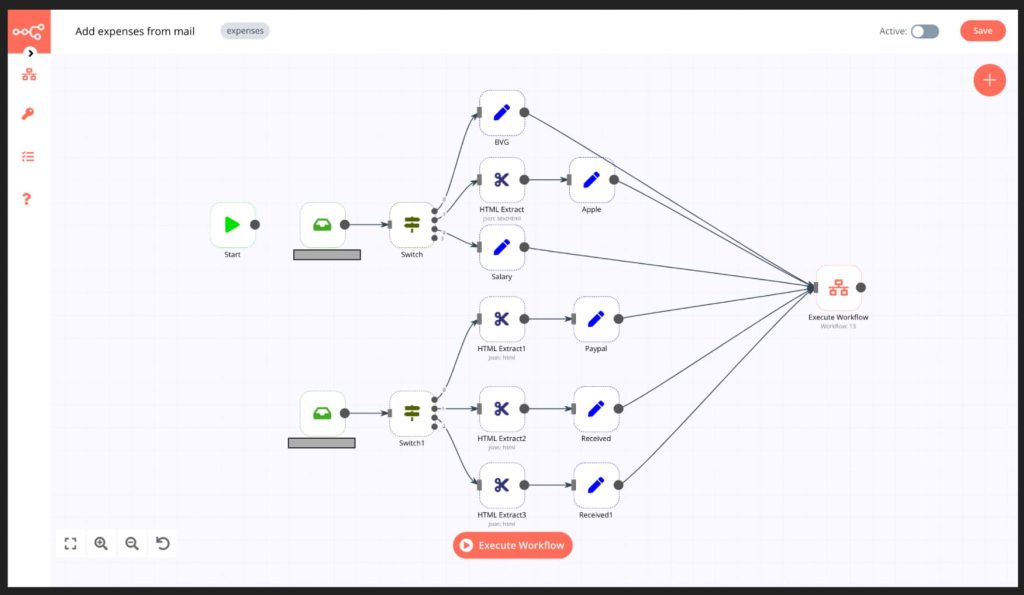
N8n is one of the best alternatives to Zapier, thanks to its hybrid approach to business process automation. It skillfully combines a no-code visual builder with pro-code advanced features, giving teams full control over their operations and workflows [6].
Best for:
Dedicated IT teams who need to process high volumes of data or require total control over data privacy.
Industries:
- Financial services.
- Healthcare.
- AI agents development.
- E-commerce.
- Marketing and lead generation.
Key features:
- Visual workflow builder.
- Ability to set rules and conditions.
- JavaScript and Python code injection.
- Automated error handling.
- Scheduling.
Pros:
- Has extremely competitive pricing.
- Extremely customizable, can meet your specific requirements.
- Ability to self-host the platform and take full control over it.
- Easy to use and get used to.
Cons:
- Some users admit limited customer support options.
- Initial setup can be complex for users without technical background.
Pricing:
- Starter plan – 20€ per month billed annually.
- Pro – 50€ per month billed annually.
- Business – 667€ per month billed annually.
- Enterprise – you should contact the vendor.
4. Gumloop
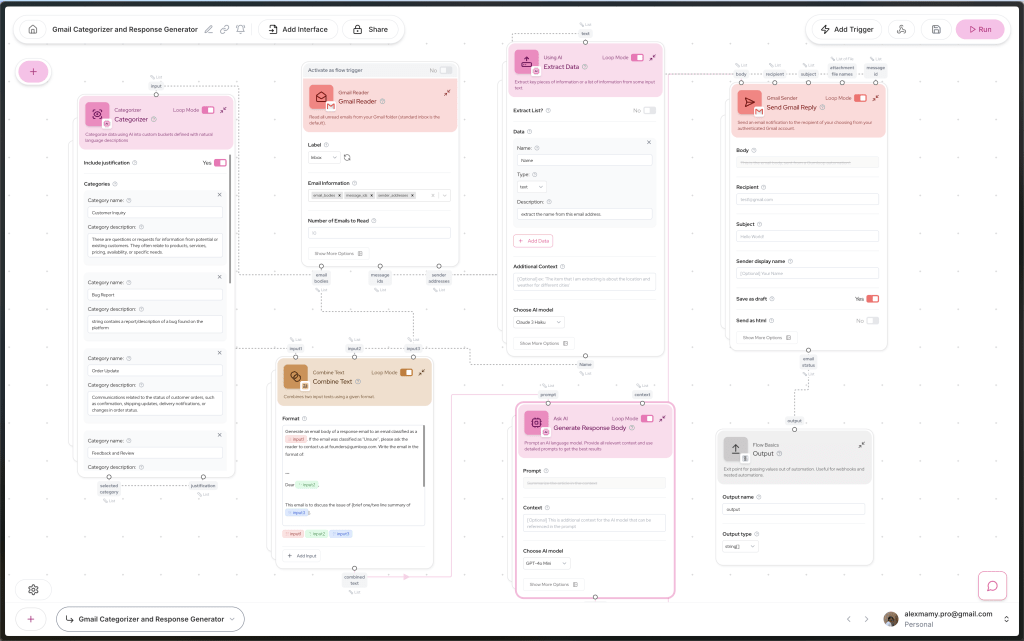
Gumloop has emerged as one of the leading AI-native Zapier alternatives. While Zapier excels at moving data between apps, Gumloop is designed to process that data using AI, making it the go-to platform for building autonomous AI agents and complex data-enrichment pipelines.
Best for:
Growth engineers and technical founders who need to build intelligent workflows that involve web scraping, unstructured data processing (PDFs/text), and AI-driven reasoning.
Industries:
- Sales and lead generation.
- Content operations.
- Market research.
- E-commerce.
Key features:
- Drag-and-drop user interface.
- Model context protocol (MCP) support.
- AI agents and LLMs.
- Browser automation.
- You can use your own OpenAI or Anthropic keys.
Pros:
- Highly scalable for AI.
- Good at handling unstructured data.
Cons:
- May have a steep learning curve.
- Smaller integration library.
- AI-heavy agents can burn through credits quickly if prompts aren’t optimized, making budgeting harder for beginners.
Pricing:
- Free plan – 5k credits per month.
- Pro – $37 per 20k+ credits per month.
- Enterprise – custom pricing.
5. Make
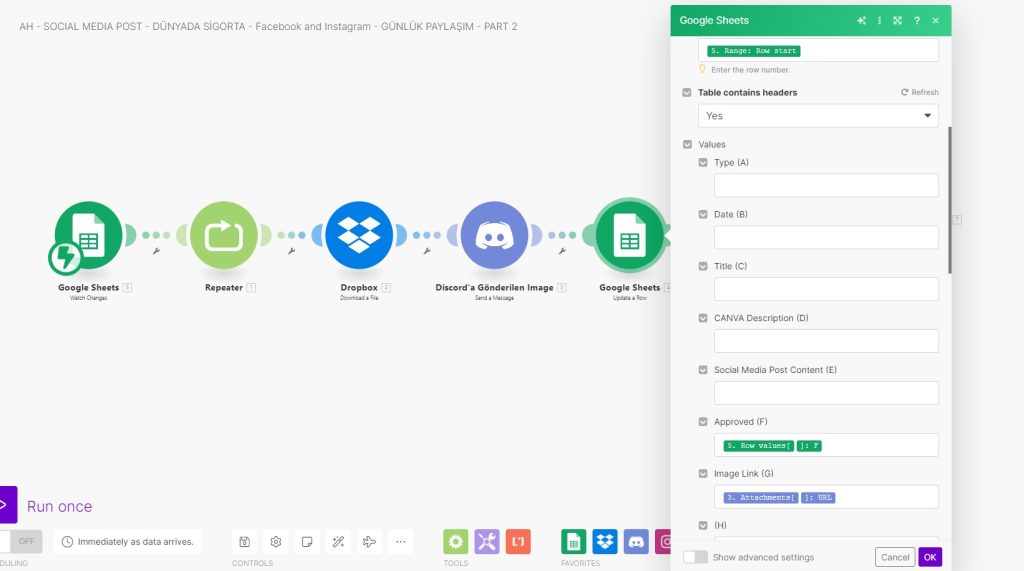
Well-known for its ability to combine execution of complex business workflows with easy-to-use interface makes this platform one of the best alternatives to Zapier. However, we also need to take into account some of its limitations, listed below.
Best for:
Visual thinkers and power users who need to automate complex workflows involving heavy data manipulation, loops, and conditional branching.
Industries:
- E-commerce.
- Marketing agencies.
- IT operations.
- SaaS startups.
- Data management.
Key features:
- Infinite visual canvas.
- Advanced logic modules for sophisticated data handling.
- Native AI agents.
- Detailed execution history.
Pros:
- Handles multi-path logic and loops better than Zapier.
- Has a free version.
- Can be 70%–90% cheaper for high-volume workflows.
- Built-in functions for math, date formatting, and text parsing allow you to clean data inside the workflow without external tools.
Cons:
- Beginners often feel overwhelmed.
- It still lacks integrations with some of the niche or legacy apps.
Pricing:
- Free version – up to 1000 credits per month.
- Core plan – $9 for 10k credits per month.
- Pro – $16 for 10k credits per month.
- Teams – $29 for 10k credits per month.
- Enterprise – custom pricing.
6. Outfunnel
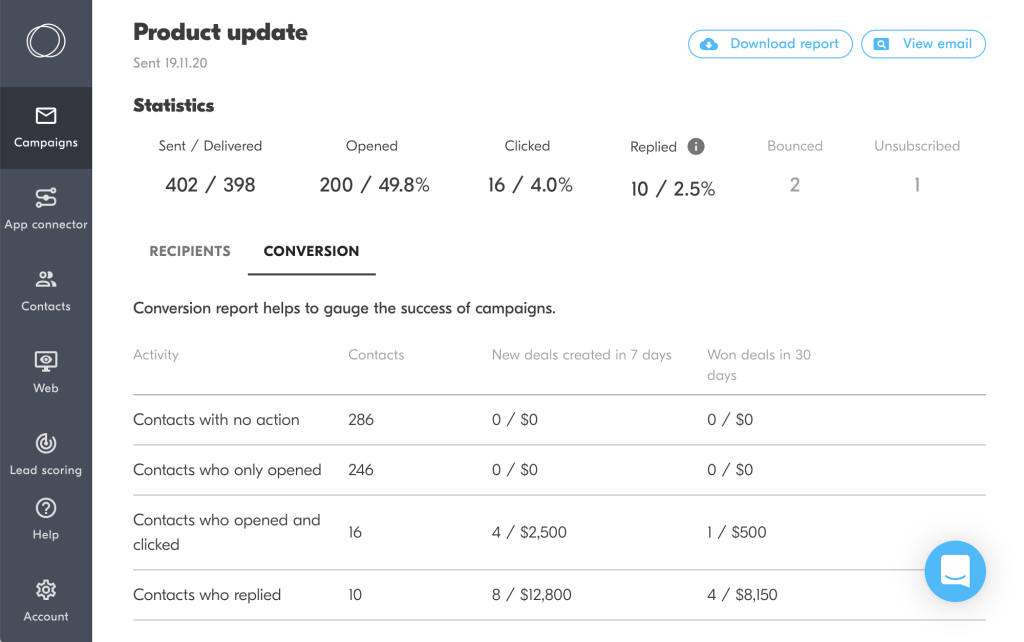
Outfunnel is another automation platform that is usually described as one of the best Zapier alternatives. It is purpose-built to deeply integrate sales and marketing workflows to ensure your CRM and marketing tools act as a single unit.
Best for:
Small-to-medium businesses that want to align their sales and marketing teams without building complex custom integrations.
Industries:
B2B services, SaaS, marketing, and operation agencies.
Key features:
- 2-way contact synchronization between CRMs and marketing tools.
- Automatically records user activities directly inside your CRM.
- Assigns lead scores.
- Identifies which companies and contacts are browsing your site.
Pros:
- Deeply focused on CRM and marketing activities.
- Once the sync is configured, it runs 24/7 without manual maintenance.
Cons:
- It only connects sales and marketing apps.
- If your specific CRM or email tool isn’t on their native list, you likely can’t use the platform.
Pricing:
- Basic – starts from $29 per month.
- Professional – starts from $99 per month.
- Scale – starts from $299 per month.
7. Workato
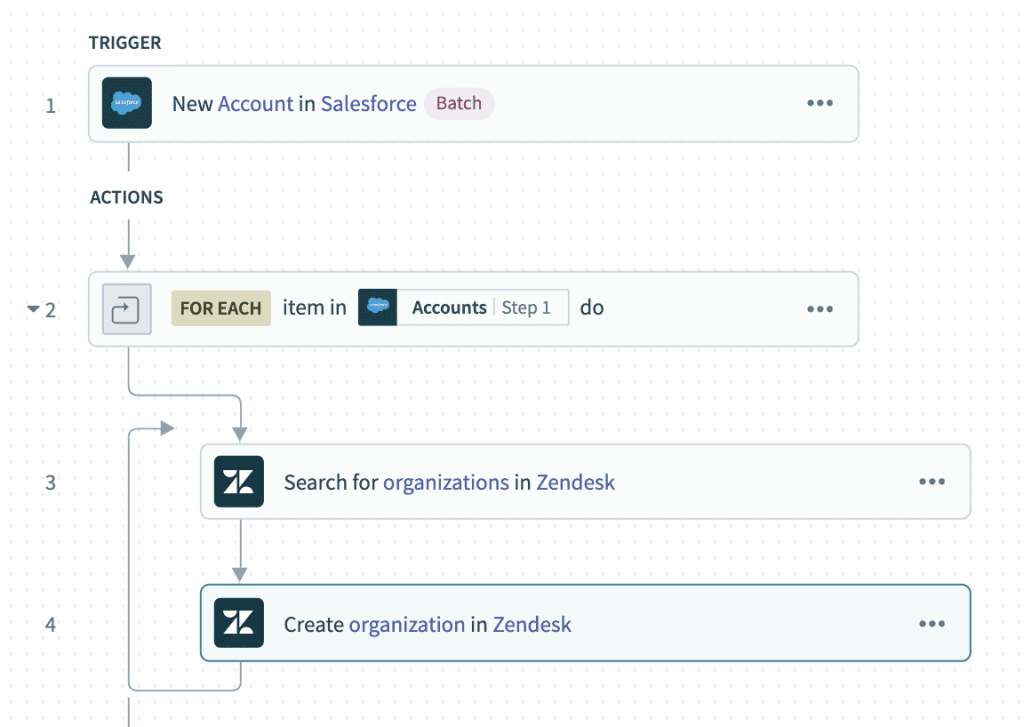
Workato is recognized as the enterprise orchestration leader. It is considered to be one of the best alternatives to Zapier that allows its users to build secure, scalable, and complex business processes across the entire organization.
Best for:
Large organizations and enterprise-level teams that need high security and reliable error handling.
Industries:
- Fintech.
- Healthcare.
- Enterprise technologies (SaaS).
- Manufacturing.
- Global retail.
Key features:
- Recipe-based automation engine.
- Huge library of pre-built integrations.
- Intelligent error resolution.
- Robust AI features.
Pros:
- Granular role-based access control.
- Environment separation (Dev/Test/Prod).
- Intuitive visual workflow builder.
- Cross-departmental data sync and workflow automation.
Cons:
- Recipe-based pricing grows at scale.
- May have a steep learning curve.
Pricing:
You should make a request to the vendor to get exact pricing.
8. Activepieces
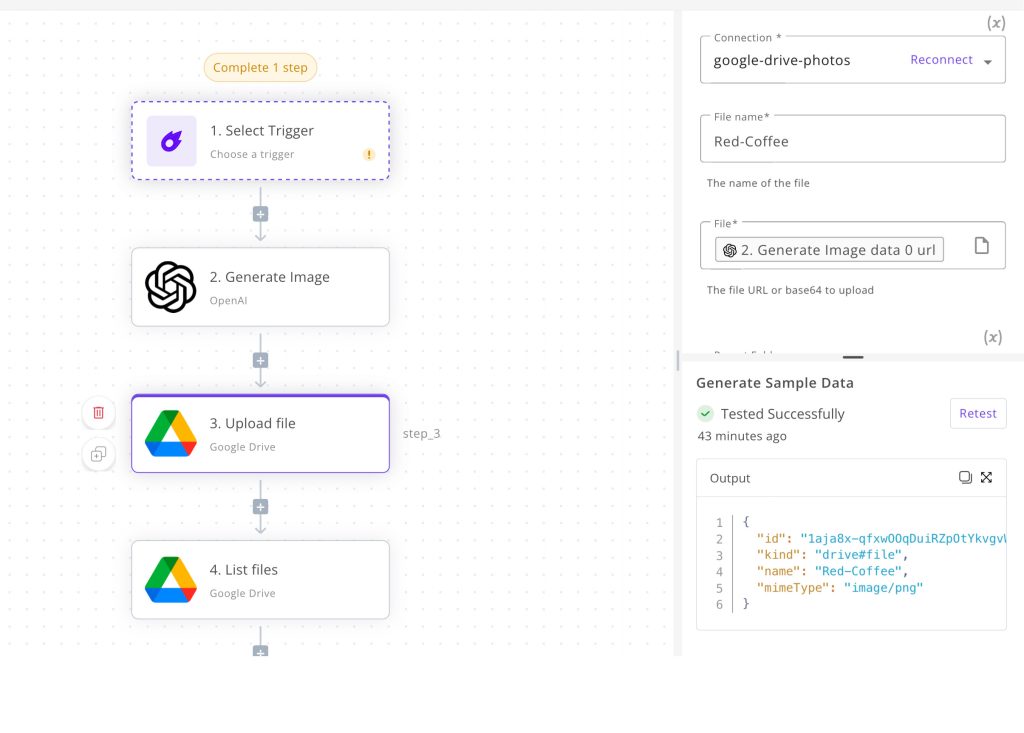
Activepieces established itself as one of the leading open-source Zapier workflow automation alternatives, particularly popular among users who want a simple no-code experience but value transparency, cost-predictability, and the option to host their own data.
Best for:
Small-to-medium businesses who want a user-friendly, no-code automation tool similar to Zapier but with lower costs and the freedom of open-source software.
Industries:
- SaaS startups.
- Digital agencies.
- E-commerce.
- IT operations.
Key features:
- Visual workflow builder.
- Easy-to-configure AI nodes.
- Open integration ecosystem.
- Self-hosting.
Pros:
- Offers flat-rate or highly generous task limits that don’t penalize you for growing.
- Grows fast, thanks to its open-source community.
- The ability to self-host makes it a favorite for teams that need to keep sensitive data within their own infrastructure.
Cons:
- While it covers all major apps, it still lacks some of the legacy integrations.
- Limited advanced logic.
Pricing:
- Standard – 10 free active flows, then $5 per each additional active flow per month.
- Unlimited – custom pricing, you should contact the vendor.
9. Microsoft Power Automate
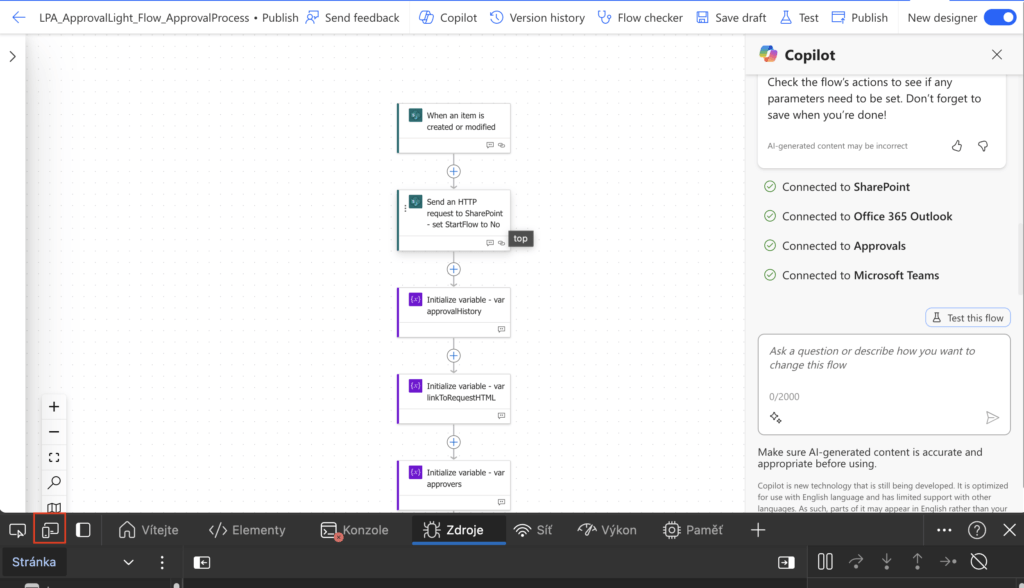
From other Zapier alternatives, Microsoft Power Automate has become the definitive choice for organizations fully invested in the Microsoft 365 ecosystem. While it was once seen as a basic office helper, it is now a sophisticated automation platform that blends cloud flows, desktop RPA, and generative AI [7].
Best for:
Organizations already using Microsoft 365 that want to scale automation without adding a new vendor [8].
Industries:
- Financial services.
- Healthcare.
- Government.
- Manufacturing.
- Education.
Key features:
- Pre-built connectors with other Microsoft products.
- No-code workflow automation.
- AI-powered features.
- Security and governance features.
Pros:
- Improves workflow accuracy and reduces errors.
- Process mining.
- Intuitive drag-and-drop interface.
Cons:
- High cost.
- Onboarding can be overwhelming.
- The user interface can feel confusing to users that aren’t familiar with the Microsoft ecosystem.
Pricing:
- Has a free 30-day trial.
- Premium – $15 per user per month, paid yearly.
- Process – $150 bot/month, paid yearly.
- Hosted Process – $215 bot/month, paid yearly.
10. OttoKit
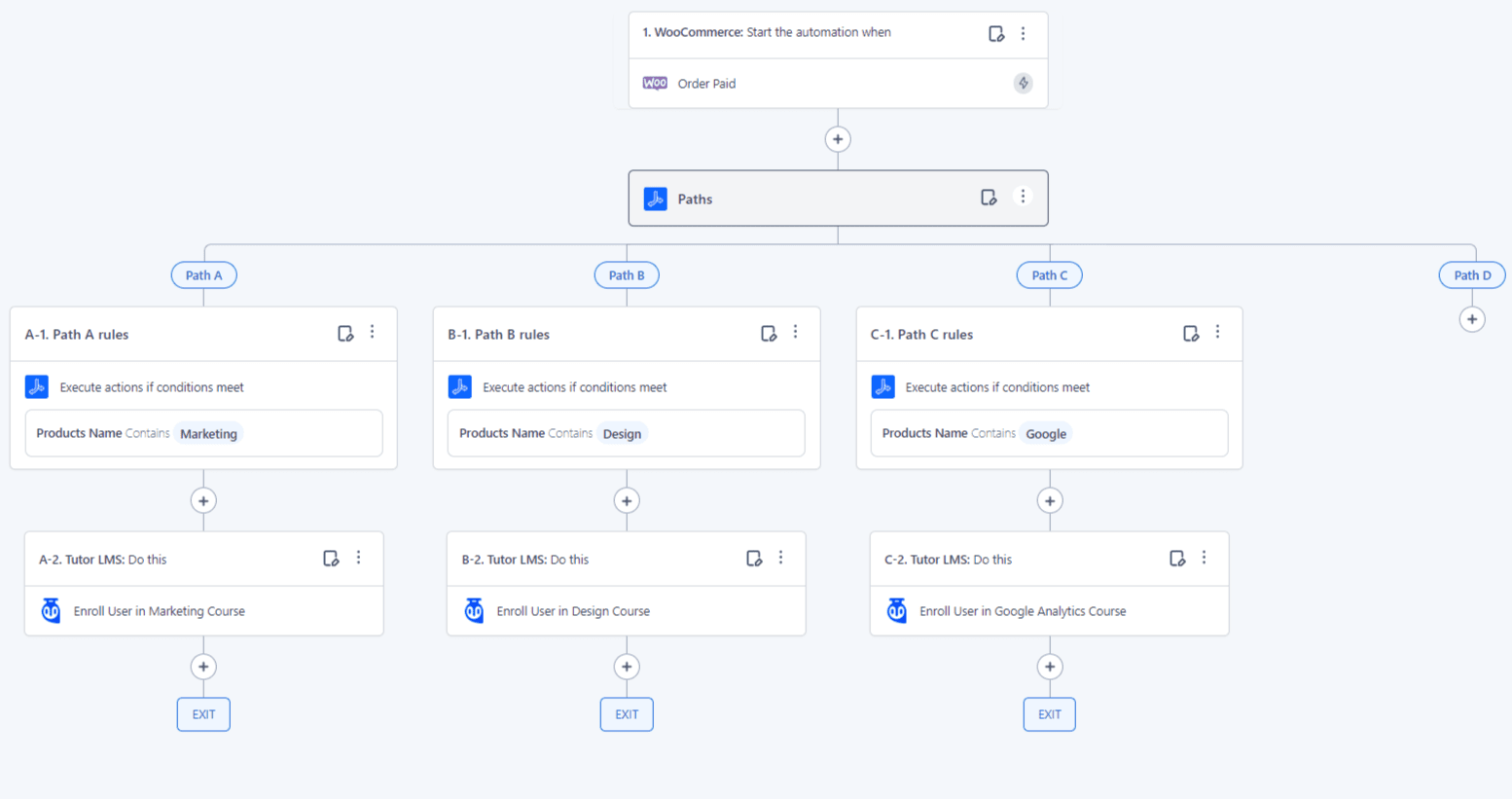
And the last but not least solution on our list of best Zapier alternatives is OttoKit. This platform stands out from other solutions on our list because it is built specifically for WordPress websites. Zapier focuses heavily on general third-party SaaS tools, while OttoKit, in turn, excels at deep WordPress triggers and actions which enable users to automate their portals.
Best for:
A perfect choice for WordPress site owners.
Industries:
- E-learning and online education.
- E-commerce.
- Digital marketing and agencies.
- Membership organizations and SaaS.
Key features:
- Native triggers and actions for popular WordPress integrations.
- Drag-and-drop canvas.
- Cloud architecture.
- Webhooks and custom API parsing.
Pros:
- Highly cost-effective alternative to Zapier.
- Has a minimal impact on website performance.
- Offers powerful multi-app branching and conditional execution paths.
Cons:
- Smaller library of standalone third-party SaaS integrations compared to Zapier’s ecosystem.
- Fewer pre-built templates for non-WordPress business applications.
- Advanced logic setup can carry a slight learning curve for beginners.
Pricing:
- Has a free version.
- Pro – $499
- Business – $799
- Business Plus – $1499
The pricing was retrieved on 04.08.2026.
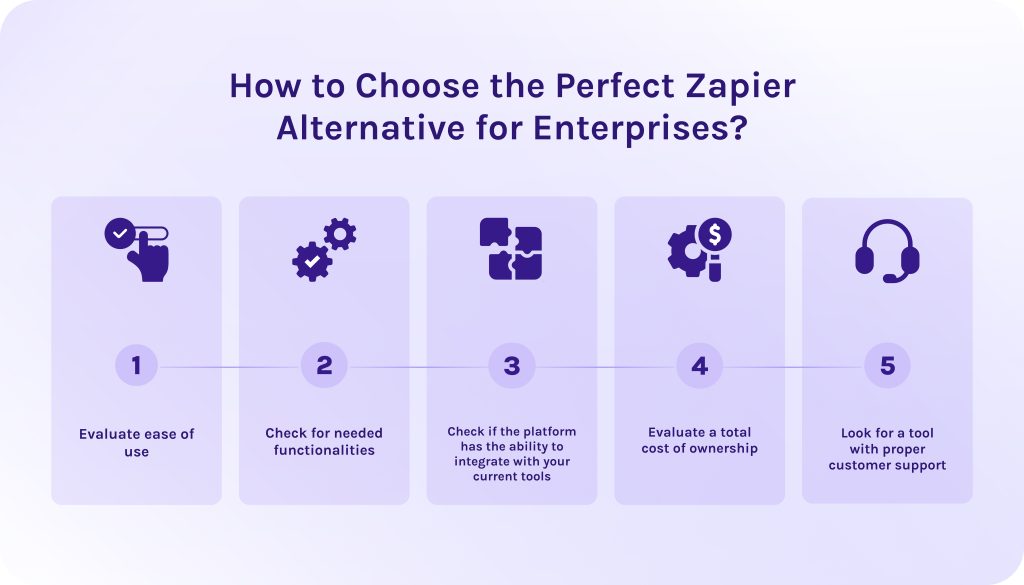
How to choose the perfect Zapier alternative for enterprises?
-
- Evaluate ease of use. Look for platforms that offer a visual, drag-and-drop canvas. It’s intuitive enough for operational teams but at the same time powerful enough to handle complex logic.
- Check for needed functionalities. Look for a tool that will make it possible for programmers as well as for non-technical users to create and customize their workflows with ease. Ensure that there is an ability to extend the capabilities through custom code so that the platform fits your processes even more than expected.
- Check if the platform has the ability to integrate with your current tools. If your data lives in local SQL databases or legacy ERPs, you need a platform that can securely tunnel into your private network. It can be native integrations or through custom APIs to provide accurate data sync across all your platforms.
- Evaluate a total cost of ownership. Search for Zapier alternatives that offer predictable pricing to not fall into Zapier’s per-task pricing trap.
- Look for a tool with proper customer support. Many Zapier alternatives now offer dedicated manager teams and professional services, or, in terms of open-source ones, they can offer experienced community support instead of traditional customer support to help you build your workflows.
Read More: Enterprise Workflow Automation: The Key to Scalable Operations
Final thoughts
Zapier is no longer an indispensable solution. Today, organizations can select specialized platforms that better align with their specific technical needs and budgets. Here are top Zapier alternatives that will help you automate complex business processes:
- Best powerful automation for both technical and non-technical users – EpicStaff.
- Best for experienced IT professionals – n8n or Pipedream.
- Best for IoT and smart homes – IFTTT.
- Best for sales and marketing workflows – Outfunnel.
- Best for visual workflow development – Make.
- Best for large enterprises – Workato.
- Best open-source Zapier alternative suitable for non-technical users – ActivePieces.
- Best for working with Microsoft ecosystem – Microsoft Power Automate.
- Best for web scraping – Gumloop.
Among these alternatives, EpicStaff is a perfect choice for teams that prioritize AI agent orchestration. If you are looking to migrate a high volume of existing tasks to a lower-cost platform, visit EpicStaff’s GitHub repository to self-host your own high-performance automation server and scale your digital workforce without the burden of per-task fees.
FAQs
1. Is n8n cheaper than Zapier?
Yes, n8n is significantly cheaper than Zapier, especially for multi-step or high-volume workflows. Zapier charges per individual action step, n8n charges per full workflow run (or can be self-hosted for free), saving most teams 60% to 90% at scale.
2. Is there an open source Zapier alternative?
Yes, there are several powerful open-source alternatives to Zapier. n8n is the most popular fair-code option for self-hosting custom technical workflows. Activepieces offers a lightweight visual canvas built for simple business automations. EpicStaff is suitable for both technical and non-technical specialists.
3. Is Zapier still relevant?
Of course, today Zapier remains the gold standard for many industries. However, its relevance shifted from being the only option to being the solution that provides stability and ease of use needed for many companies. Users choose Zapier alternatives for more complex logic or lower costs, and in this regard, Zapier has successfully maintained its relevance by adjusting to the AI-first approach.
4. Why is Zapier so expensive?
Some often describe Zapier as the Apple of automation, meaning that it is expensive for the same reason a MacBook is: you are paying a significant premium for ease of use, the largest ecosystem, and high reliability. Some other reasons why it is so costly are:
- Per-task billing.
- It gates specific apps and features behind its paid tiers.
- Near-perfect uptime and a user interface that a non-technical manager can learn in 10 minutes.
5. What are the top 5 automation tools?
- EpicStaff – This platform functions as an AI-orchestration hub that lets you build your own digital staff and multi-agent workflows using a visual builder simultaneously with the ability to inject custom Python code directly into needed parts of a project to extend its capabilities.
- Make – It allows you to map out highly complex automations with an intuitive interface that is much more powerful than Zapier’s list view.
- Pabbly Connect – This is the most cost-effective solution from Zapier alternatives that offers a nearly identical linear setup process but without charging you for internal steps like filtering or formatting.
- Vellum AI – It lets non-technical users build AI-powered workflows by simply describing their goals in plain English.
- Microsoft Power Automate – This tool provides a robust no-code environment for corporate users to automate tasks across Teams, Excel, and hundreds of third-party apps.
6. Is n8n better than Zapier?
Neither of the tools is universally better. n8n excels for technical teams needing self-hosting and developer flexibility. Whereas, Zapier is superior for non-technical users seeking quick, no-code setups.
7. Is Zapier still free?
Yes, Zapier still offers a permanently free plan that includes 100 tasks per month and basic access to features like Zapier Tables and Forms. However, it has some limitations, thus, if you need a more advanced tool, you need to look for Zapier alternatives or buy a premium plan.
8. How much does Zapier cost annually?
Paid plans start from $239.88/year ($19.99/month) for 750 tasks, while the Team plan costs $828/year ($69/month). Total annual costs scale upward based on how many tasks your workflows consume each month.
9. Which is better, Zapier or Airtable?
At their core, these tools serve fundamentally different purposes:
Airtable is best if you need a flexible relational database and visual workspace to store and organize data.
Zapier is best if you need an invisible background engine to connect and move data between completely different apps.
10. Is Pabbly better than Zapier?
Pabbly is better if your main goal is minimizing cost. It provides far cheaper plans and lifetime deals for high task volumes. However, Zapier is better if you need a smoother interface, advanced AI features, or access to its massive library of over 9,000 app integrations (compared to Pabbly’s ~2,000).
References:
- https://www.researchgate.net/publication/2499328_Exception_Handling_in_Workflow_Systems
- https://www.researchgate.net/publication/360558738_Analysis_of_Cloud_and_Self-Web-Hosting_Services_Based_on_Security_Parameters
- https://www.researchgate.net/publication/383360317_Workflow_Automation_Automating_various_design_documentation_and_coordination_workflows_can_help_streamline_the_overall_design_process_for_smart_building_technologies
- https://www.researchgate.net/publication/342716229_Visual_Workflow_Process_Modeling_and_Simulation_Approach_Based_on_Non-Functional_Properties_of_Resources
- https://www.epicstaff.com/docs
- https://www.researchgate.net/publication/398820476_n8n_An_Open-Source_Workflow_Automation_Platform_for_Enterprise_Integration_and_AI-Driven_Orchestration
- https://www.researchgate.net/publication/389042583_Developing_intelligent_automation_workflows_in_Microsoft_power_automate_by_embedding_deep_learning_algorithms_for_real-time_process_adaptation
- https://www.researchgate.net/publication/397532162_N8N_vs_Makecom_vs_Zapier_Which_Automation_Tool_is_Best_Overall
- https://www.researchgate.net/publication/319622715_IFTTT_vs_Zapier_A_Comparative_Study_of_Trigger-Action_Programming_Frameworks
- https://www.researchgate.net/figure/Ways-to-use-AI-in-marketing-Adapted-from-Zapier-2018_fig1_380540547
- https://www.researchgate.net/publication/390232494_Accelerating_AI_Integration_Multi-Order_Effects_and_Sociotechnical_Implications_of_Standardized_AI-Tool_Interoperability
- https://www.researchgate.net/publication/332987477_From_Native_to_Cross-platform_Hybrid_Development
- https://n8n.io/pricing/
- https://www.pabbly.com/connect/#pricing
- https://www.activepieces.com/pricing
- https://pipedream.com/pricing