
Top Telecom Industry Trends to Watch in 2026 and Beyond
AI-Native Networks and Autonomous Telecom Operations

Artificial intelligence (AI) today isn’t a nice-to-have feature anymore; it defines which companies will succeed and which are going to fail. And telecom operators understand it. According to the statistics, adoption of artificial intelligence is one of the biggest telecom industry trends that is expected to grow at a CAGR of 33% till 2028 [1].
Modern telecom OSS and BSS systems don’t adjust to AI anymore; they are built on an intelligent core whose functionality goes far beyond generating reports and analyzing information. The newest approach, called “Agentic AI,” provides autonomous AI entities (AI agents) that can make decisions and take some actions on their own, driving independence from constant human inputs [2].
Due to the latest trends in telecommunication industry, they bring the most efficiency when implemented in customer support and fault detection. The recent research studies show that:
- AI-powered fraud detection systems have significantly reduced losses connected to fraud, up to almost 60% in some companies.
- Personalized suggestions that AI has made to customers have increased upselling opportunities in telecommunications up to 25%.
- AI-powered call centers can decrease the call handling time by 20-30%.
As well, another important moment that I should mention is self-healing. AI agents, thanks to their autonomy, can detect issues and solve them automatically in real time without waiting for humans. Thus, services become even more independent and intelligent.
Read More: How Generative AI in Telecom is Revolutionizing Industry
Cloud-Native Telecom and BSS/OSS Modernization
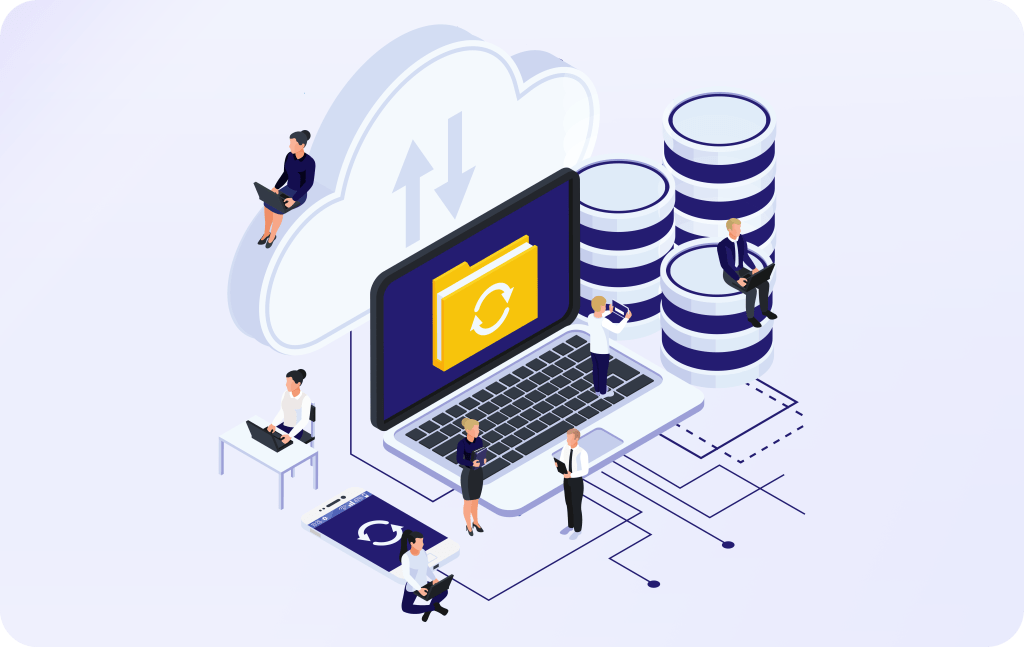
Relying on old legacy systems and local servers isn’t a good idea in 2026. The rising threat of cyberattacks or simple local server issues can trigger the major problems and lead to data leaks or even outages that disrupt and make customer experience worse. That is why telecom industry trends are moving towards cloud-native BSS OSS systems with microservice architecture.
What do these technology trends in telecom industry mean?
Now the systems are divided into multiple independent microservices, where each of them is responsible for different processes (e.g., authorization, billing, etc.). In this case, if one part of the system fails, it does not ruin the entire system; other services can work while this part is being fixed [9].
Moreover, these microservices altogether run in the cloud. It means that they don’t rely on the work of one local server but the work of dozens of servers spread across the globe. Thus, if one server fails, the cloud will automatically reconnect to another one, and the services will still be available [8].
Thanks to these emerging trends in telecom industry, operators can build more resilient networks and minimize the risks of disruptions.
Read More: Automation as a Secret to Telecom Success
Open RAN and the Disaggregation of Telecom Networks
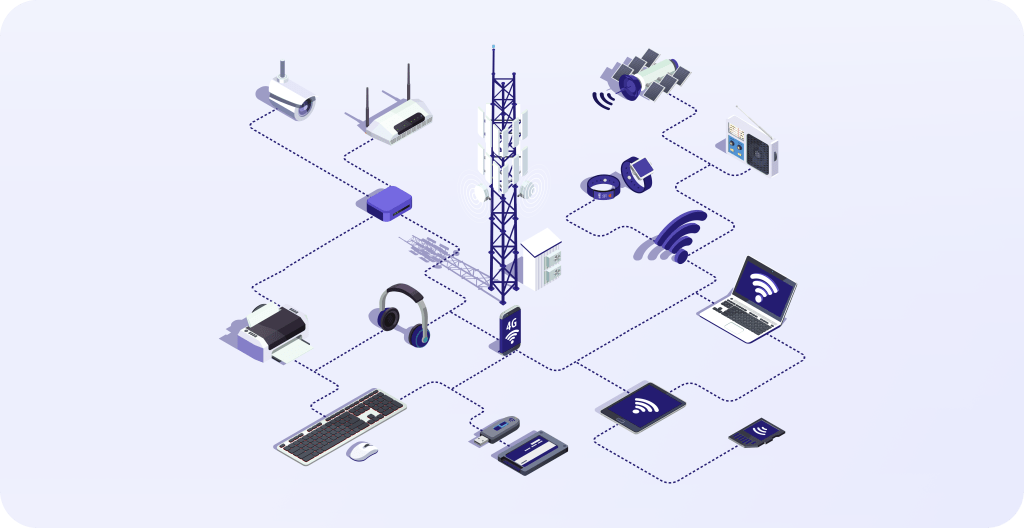
Open Radio Access Network (RAN) is the next point from our telecom industry trends list that supports a vendor-neutral approach, where companies cooperate with different independent vendors and suppliers, moving away from the traditional, single-vendor approach.
How does it work?
Instead of relying on one hardware and software vendor, telecom businesses diversify their network components from different suppliers. Moreover, Open RAN uses standardized interfaces to ensure these different components can work together seamlessly [10]. This approach helps to:
- Increase supply chain resilience.
- Reduce operational costs.
- Reduce dependence on one major supplier.
- Fight geopolitical uncertainty.
5G Networks and the Evolution Toward Advanced Connectivity
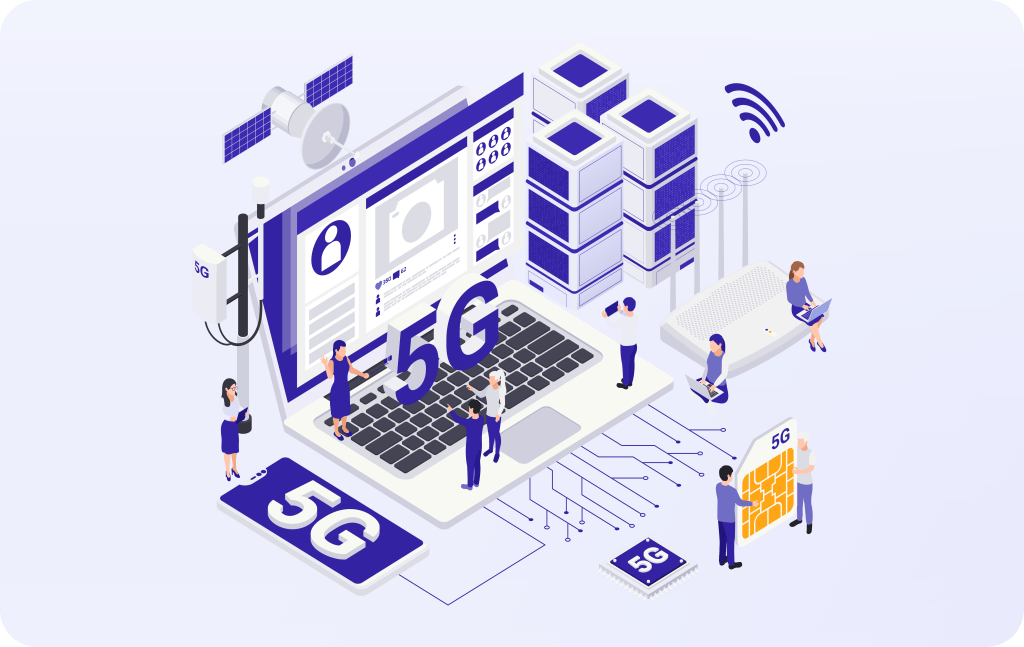
While we have barely adapted to 5G networks, companies are already working on developing 6G rollouts. Besides, the 5G connectivity is now improving and expanding, 6G networks are expected to push connectivity even further, offering near-zero latency and advanced AI integration directly into the network. These new trends in telecom industry aim to support:
- Holographic communications.
- Fully autonomous systems.
- Massive IoT ecosystems.
- Immersive extended reality experiences.
Overall, it’ll enable a level of real-time interactivity and intelligence that goes far beyond current telecom trends and 5G capabilities. Companies and research institutions are already exploring terahertz spectrum, integrated sensing, and satellite-terrestrial convergence to make 6G a reality by the 2030s [6].
Read More: Modern OSS BSS Architecture: How Telecom Operators Build 5G Networks
Non-Terrestrial Networks and the Rise of Hybrid Connectivity
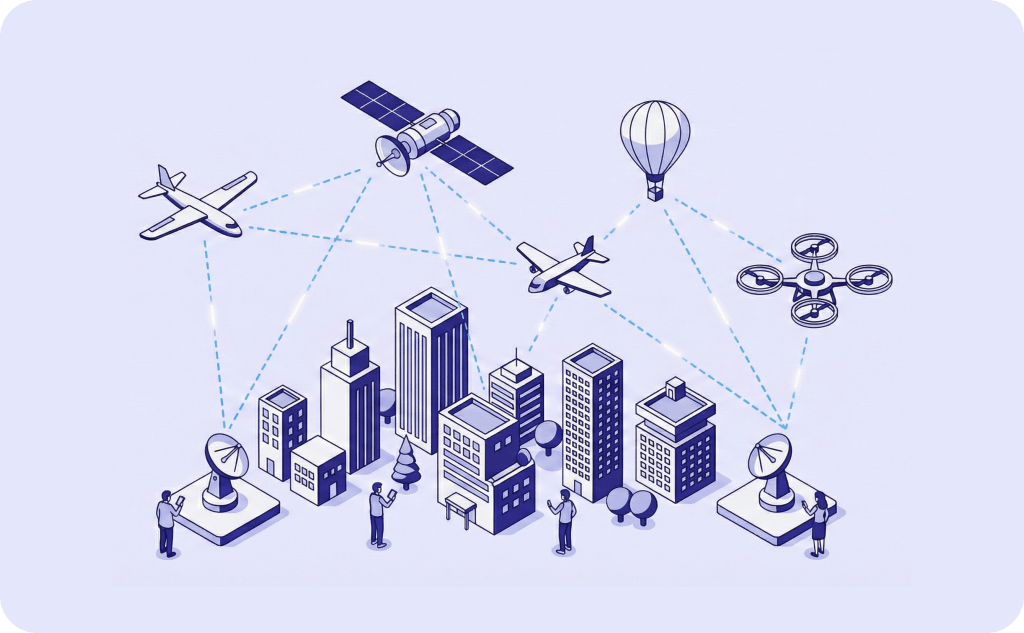
Taking into account constant geopolitical shifts and instability, the latest technology trends in telecom industry are focusing on non-terrestrial networks (NTN) that combine traditional ground-based infrastructure with satellites and aerial systems. This approach allows telecom operators to deliver their services anywhere in the world, even in the most remote or unstable places.
The perfect example of this trend is Starlink. They have already implemented Direct to Cell technology, which means that your smartphone can seamlessly connect directly to the satellite though the Starlink, instead of connecting to the terrestrial tower.
Such global telecom industry trends like this one significantly expand mobile coverage in areas without traditional cell towers and enable faster deployment of connectivity in emergency or disaster zones.
Edge Computing as a Foundation for Real-Time Telecom Services
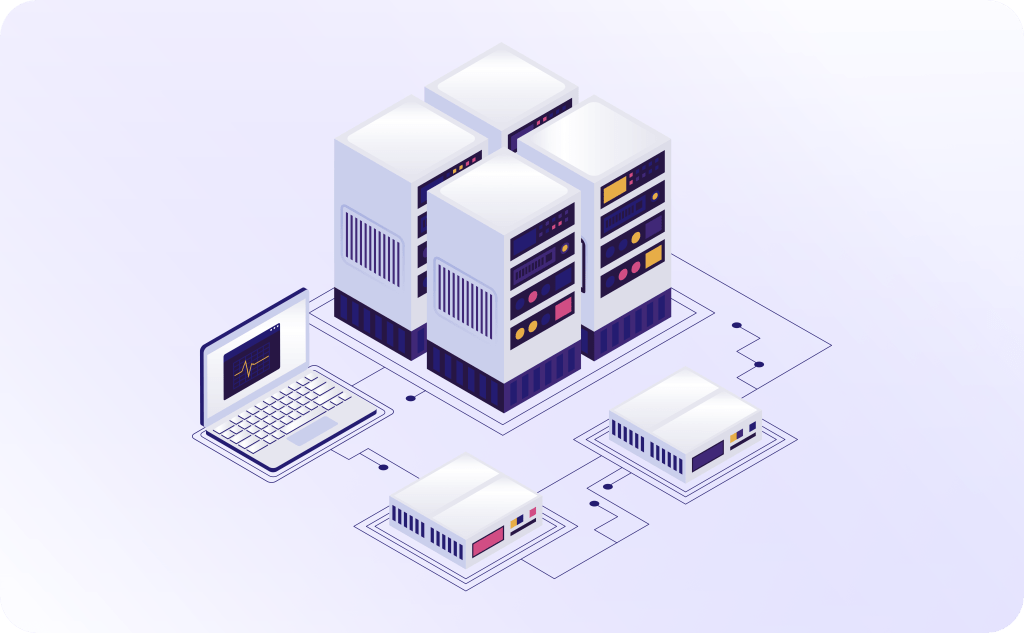
One of the most important telecom industry trends is receiving data from the points ‘edges’, where it was originally generated – cell towers or local data centers. Thanks to edge computing, operators can process edge nodes’ data in real time, thereby enabling faster reaction to occurred issues.
According to the Global Growth Insights statistics [5]:
- About 65% of telecom operators have deployed or are implementing edge computing capabilities alongside 5G networks to support real‑time processing and low‑latency services.
- Over 60% of enterprises (across industries including telecom) are prioritizing edge solutions to reduce latency and enable real‑time applications like IoT and 5G services.
By the way, HYS Enterprise is a software development company based in the Netherlands which has significant experience in the telecom industry. It has been present within the market more than 10 years already and has successfully created modern software solutions for telecom companies. Read the success case below to get more information.
Read More: A Modern VoIP Telephony System with a Scalable and Fault-Tolerant Network Structure
Digital Sovereignty and Regulatory-Driven Network Design
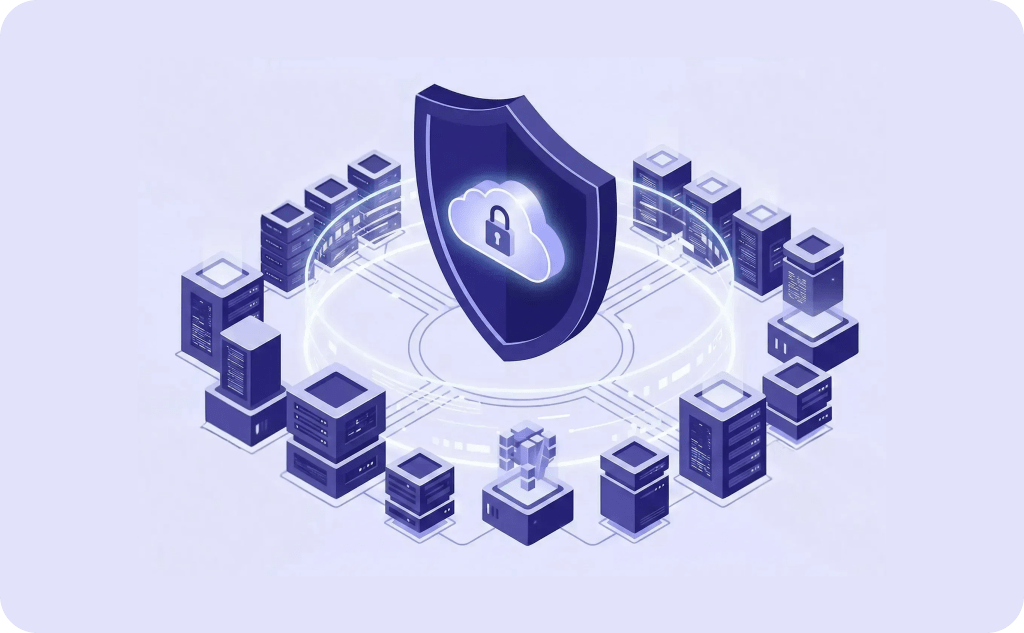
Digital sovereignty is a concept that emerged in 2021 as response to a rapid AI expansion and digital transformation overall. It is one of the recent trends in telecom industry that emphasizes that countries and organizations should have control over their own data and digital solutions, especially those powered by AI, rather than relying entirely on foreign providers.
In the telecom industry, this drives regulatory-driven network design, where operators must ensure that sensitive data is processed and transmitted according to local laws. As a result, this approach is an attempt to find a balance of innovation with security and compliance requirements.
Quantum Technology and Long-Term Telecom Security
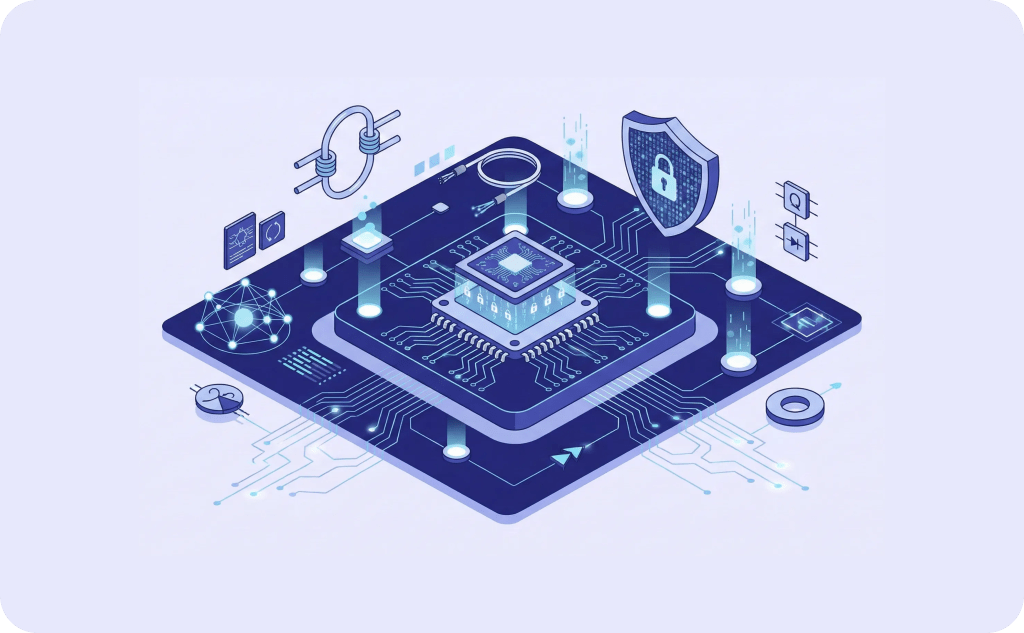
One of the most promising telecom industry trends is adopting quantum key distribution (QKD), which uses principles of quantum mechanics to create encryption keys that are theoretically unhackable, thereby significantly improving data security for sensitive communications [11].
Moreover, quantum technologies can optimize network routing and spectrum management. As well, it can process vast amounts of network data at unprecedented speeds, which allows telecom operators to predict traffic patterns and reduce latency.
As 5G matures and we’ll get access to 6G in the near future, quantum technologies could become critical to high-speed and intelligent telecom networks that support critical infrastructure and national security applications.
What These Telecom Trends Mean for Telecom Businesses
All the market trends in telecom industry, described above, make operators rethink their current approaches to managing complex and sometimes rigid legacy frameworks. For companies, these telecom industry trends mean:
- Networks become more resilient. Adoption of non-terrestrial networks or edge computing makes networks more resilient, as operators have access to actual data in real time with ability to prevent outages and ensure reliable service even in remote or unstable areas.
- Processes become more efficient and flexible. Using cloud-native and microservice architectures pays off in way better scalability and stability, as services become more independent themselves.
- Security is enhanced. Quantum technologies and digital sovereignty initiatives strengthen data privacy and compliance with regulations.
- Cost optimization becomes better. Open RAN and cloud-native infrastructures reduce dependence on single vendors, thereby giving operators flexibility in choosing the most efficient and affordable suppliers.
- The digital trends in telecom industry unlock new revenue streams. 5G and 6G as well as hybrid networks unlock opportunities in IoT, AR/VR, and autonomous systems, which will positively influence companies that have already gone through the digital transformation.
Read More: Top Telecom Project Management Challenges and How to Overcome Them
Conclusion: Preparing for the Future of Telecom
Let me quickly remind you the main points of our discussion:
- AI is becoming the core of telecom networks, with AI-native and agentic AI. It enables autonomous operations, self-healing networks, smarter customer support, as well as significant cost and fraud reduction.
- Cloud-native BSS/OSS and microservice architectures are replacing legacy systems, and, perhaps, in the near future, we will observe the emergence of more and more independent systems.
- Open RAN is reshaping network design by promoting vendor neutrality and giving operators more independence and flexibility in their operations. This, in turn, strengthens supply chain resilience amid geopolitical uncertainty.
- 5G network expansion and early 6G development move the industry to ultra-low latency, massive IoT networks with integrated AI.
- Edge computing and non-terrestrial networks (NTN) become more and more critical for real-time processing and global resilient coverage.
- Digital sovereignty and quantum technologies strengthen security and compliance with the newest encryption methods and security standards.
Entrust the development of your solution to HYS Enterprise. Contact our experts today to modernize your telecom software and achieve desired outcomes.
FAQs
What are the latest trends in telecom industry?
Telecom businesses are now widely adopting cloud and edge computing and switching from the traditional AI to agentic and AI-native networks. As well, they are moving towards the transition from 5G to 6G networks alongside adopting digital sovereignty and open RAN.
What is the future of the telecom industry?
In the near future, the telecom industry will experience significant growth in AI adoption as well as the emergence of cloud-native, automated networks that can heal themselves. Additionally, telecom already experiences adoption of open RAN, digital twins, and quantum technologies.
What is the fastest growing field of telecommunication?
AI-native and private 5G networks are the most promising areas in the telecommunications industry. The rapid growth of these trends in telecommunication industry is driven by rising enterprise demand for smart and secure solutions with low-latency connectivity.
Will AI take over telecommunications jobs?
In the near future AI won’t take telecom jobs. However, on the one hand, it will significantly reshape some work approaches by automating repetitive tasks and helping humans analyze and optimize telecom processes, but on the other, it cannot replace people’s strategic thinking, experience, and feeling of the pain points.
Does telecom have a future?
Yes, telecom does have a future. Moreover, it is one of the most rapidly evolving industries, where adoption of the newest technologies like IoT or AI plays a critical role. However, it may face several challenges related to their adoption.
How is AI used in telecom networks?
Artificial intelligence isn’t a nice addition. One of the telecommunications industry trends is building AI-native networks where all processes are built on the AI core. Thus, instead of trying to add AI to existing legacy systems, intelligence now is embedded from the very beginning.
How do AI agents improve telecom operations?
AI agents provide the level of autonomy that traditional AI cannot offer, as it operates due to predefined rules. In turn, AI agents can, on their own, decide what actions to take to achieve desired outcomes.
How does Open RAN change telecom networks?
It follows the vendor-neutral approach, which recommends diversifying your vendors as much as possible. This allows you to avoid vendor dependency and improve the resilience of your supply chain.
What are the benefits of edge computing in telecom?
From the other top trends in the telecom industry, edge computing reduces latency by processing data directly from the computing edge and giving users real-time access to it. As well, it reduces dependence on centralized data centers, resulting in more resilient services and faster delivery.
What are non-terrestrial networks in telecom?
These are networks that operate using satellites, high-altitude platforms (HAPs), and drones to provide connectivity to the most remote or unstable places on the Earth. The perfect example of such a network is Starlink by SpaceX.
How do digital twins help optimize telecom networks?
Digital twins create virtual replicas of telecom networks that mirror real-time conditions using live data. Operators usually use them to simulate traffic or failures before applying changes to the real network to reduce risks and downtime.
What is the role of quantum technology in telecom?
Quantum technology in telecom mainly enhances network security and optimization. Thus, it enables ultra-secure communication through quantum key distribution (QKD) and supports advanced network optimization using quantum computing.
How is no-code low-code configuration used in telecom systems?
No-code low-code configuration enables telecom companies to design and create services without programming experience. These platforms typically have an embedded visual builder that allows non-technical users to create needed functions using templates and prebuilt components. This, in turn, makes service development faster and gives the ability to quickly customize the system if needed.
What role does cloud-native technology play in telecom?
Cloud-native networks are moving telecom companies from relying on local servers towards scalable and flexible architecture. Cloud-native BSS OSS solutions enable operators to modularize their systems into independent microservices to build more resilient systems and respond faster to ever-changing market demand.
References:
- https://zipdo.co/ai-in-the-telecom-industry-statistics/
- https://www.researchgate.net/publication/397253501_Agentic_AI_for_Intelligent_Churn_Prediction_and_Autonomous_Retention_in_Telecom_OSSBSS
- https://www.researchgate.net/publication/395355597_Sovereign_AI_for_6G_Towards_the_Future_of_AI-Native_Networks
- https://www.researchgate.net/publication/380415797_Digital_Sovereignty_A_Descriptive_Analysis_and_a_Critical_Evaluation_of_Existing_Models
- https://www.globalgrowthinsights.com/market-reports/mobile-edge-computing-market-105277
- https://www.vationventures.com/research-article/the-road-to-6g-the-innovations-transforming-wireless-technology
- https://www.researchgate.net/publication/337943201_Challenges_and_Opportunities_in_Telecommunication_Sector
- https://www.researchgate.net/publication/394883716_AI-Powered_Orchestration_of_Multivendor_Telecom_Site_Configurations_Cloud-Native_Models_for_Interoperability_and_Scalability
- https://www.researchgate.net/publication/390539699_TRANSFORMING_TELECOM_THE_IMPACT_OF_MICROSERVICES_ARCHITECTURE
- https://www.researchgate.net/publication/387765502_Intelligent_Control_in_6G_Open_RAN_Security_Risk_or_Opportunity?_sg=TBTwT5AWQm62MA_egRTv2X4_HH-QMSA2XwypFRMgO2CERhRkMSHMz-TOzIke5zHdESeJlePHhcC3xNs&_tp=eyJjb250ZXh0Ijp7ImZpcnN0UGFnZSI6InB1YmxpY2F0aW9uIiwicGFnZSI6Il9kaXJlY3QifX0
- https://www.mckinsey.com/industries/technology-media-and-telecommunications/our-insights/tech-talent-in-transition-seven-technology-trends-reshaping-telcos